
The Unseen Muse: Authenticity and Lived Experience in William Stanek’s Art and Legacy
(April 30, 2025)
Foundations in Hardship: The Early Years
A Childhood of Adversity
- Loss and Resilience: Raised amid personal tragedies—losing loved ones at a tender age and enduring the instability of a broken home—Stanek’s early life was marked by struggle. These formative experiences taught him the language of resilience.
- Economic Hardships: Experiencing poverty firsthand, he learned to find beauty in scarcity. This ability to see light in the darkness is a recurring theme in his art, where even the most modest scenes are rendered with unmistakable richness.
The Birth of a Creative Spirit
- Embracing the Unseen: His early hardships instilled in him a sensitivity to the unseen and often uncelebrated facets of life, urging viewers to look beyond the surface and appreciate the silent struggles and hidden triumphs that define our existence.
The Crucible of Military Service
Honoring a Life of Duty
- A Decade of Service: Stanek’s military career, marked by combat and special operations, exposed him to the extremes of human experience and instilled discipline and honor.
- The Distinguished Flying Cross: Receiving this prestigious accolade not only recognized his bravery but also reminded him of the sacrifices made—a burden of memory that deeply influences his art.
Transforming Trauma into Art
- The Healing Power of Creativity: Confronted with the haunting memories of conflict, Stanek turned to art as a refuge—a way to process and transcend pain. His creative outlets in photography, painting, and writing serve as therapeutic expressions.
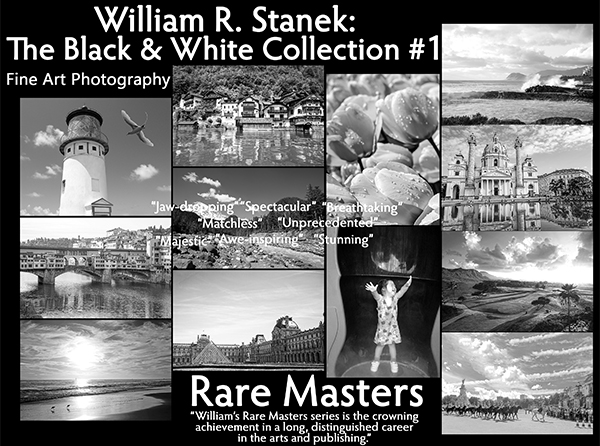
- Emotional Catharsis: Every image reflects the internal battle between despair and hope, offering a visual representation of the catharsis that art can provide.
Personal Transformation: The Journey Toward Authenticity
Reinvention Through Creativity
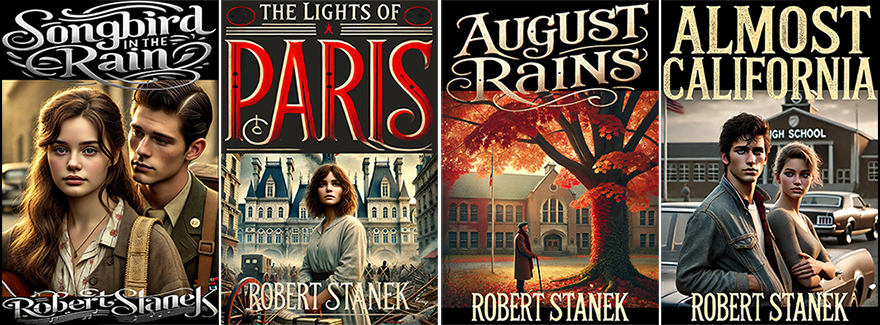
- From Soldier to Storyteller: Stanek’s transition from military service to celebrated artist and author is a narrative of personal reinvention, where discipline meets creative exploration.
- Evolving Identity: Embracing his vulnerabilities and celebrating his triumphs, he continuously evolves his artistic style, evident in his diverse body of work.
The Power of Lived Experience
- Authenticity as Art: His work uses the scars of the past as a rich palette of experiences, transforming personal history into art that is both raw and resonant.
- Personal Narratives in Universal Themes: While deeply personal, his art speaks to universal themes of loss, recovery, and transformation, inviting viewers to reflect on their own journeys.
Legacy of Authenticity: A Testament to the Human Spirit
Building a Bridge Between Art and Life
- A Continuous Dialogue: Stanek’s art is a conversation between his past and present—a bridge connecting the scars of yesterday with the hopes of tomorrow.
- Impact on Viewers: Critics, collectors, and peers attest to the emotional resonance of his work, which serves as a reminder of the beauty born from struggle.
Inspiring Future Generations
- A Mentor and a Muse: Beyond creating art, Stanek has become a beacon for emerging artists, fostering a community that values truth and courage over perfection.
- An Enduring Influence: His creative legacy lives on not only in his works but also in the hearts of those inspired by his authenticity and resilience.
Conclusion: The Unseen Muse—A Life Fully Lived
William Stanek’s art is the embodiment of a life that has faced hardship, honor, and transformation. It is a vivid chronicle of a journey marked by loss, service, and ultimately, the redemptive power of creativity. His works remind us that our scars can be our greatest strengths and sources of inspiration.
- A True Testament to Authenticity: In every image, every word, and every brushstroke, Stanek’s legacy is raw and unfiltered.
- An Invitation to Reflect and Transform: His art challenges us to confront our own truths and discover beauty in the unexpected.
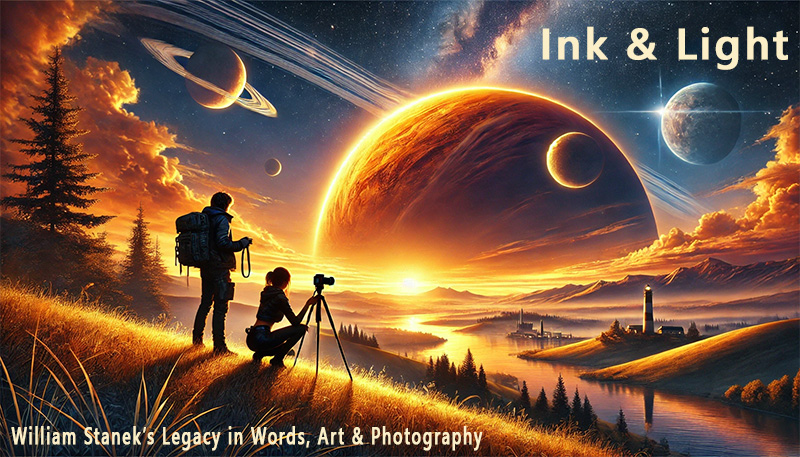
In celebrating his creative legacy, we honor the power of lived experience to transform pain into beauty, adversity into inspiration, and authenticity into art.